Recognize retaining wall drainage concerns
A drainage outlet is one part of a wall system. Note visible water or staining from a safe location and ask a professional to assess the wall and its drainage.
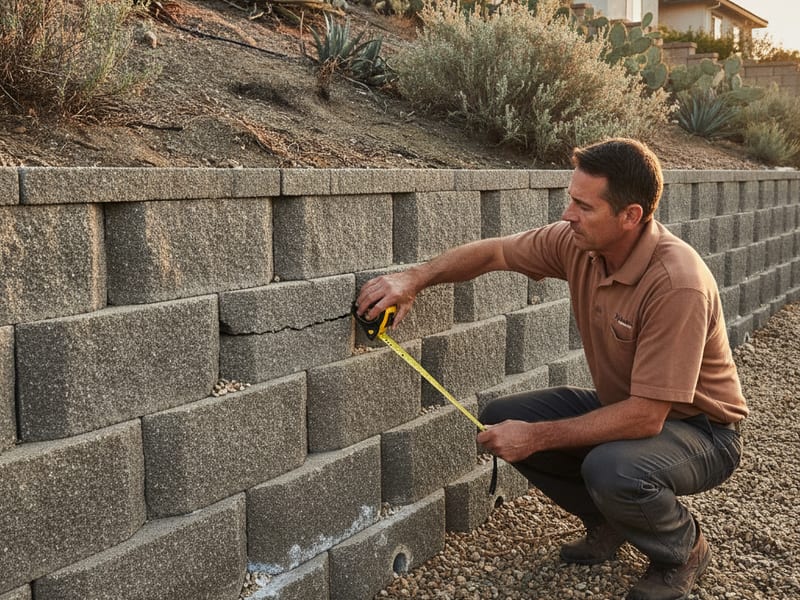
What you'll learn
- What visible drainage observations to record
- Why an outlet’s appearance may not reveal conditions behind a wall
- What to ask during an assessment
Step by step
- Observe without touching From a safe location, note visible staining, water, debris, or changes around an outlet. An observation alone does not establish what is happening behind the wall.
- Record the conditions If safe, photograph what you can see from a distance and note whether the observation followed rain or irrigation.
- Discuss the outlet Ask a qualified professional to locate the drainage system and its outlet and explain whether inspection or maintenance is appropriate.
- Avoid testing the wall Do not probe openings, pour water behind a wall, or excavate near it to test drainage. The proper approach depends on the wall and site.
Keep away from a wall that appears unstable and arrange a qualified assessment before disturbing it.
Rather have a pro handle it?
Tell us about your project and ask about available local contractor options.
Keep learning.
Notice changes in a retaining wall
Visible changes can help a professional understand a wall’s condition. Observe from a safe location and avoid disturbing a wall that may be unstable.
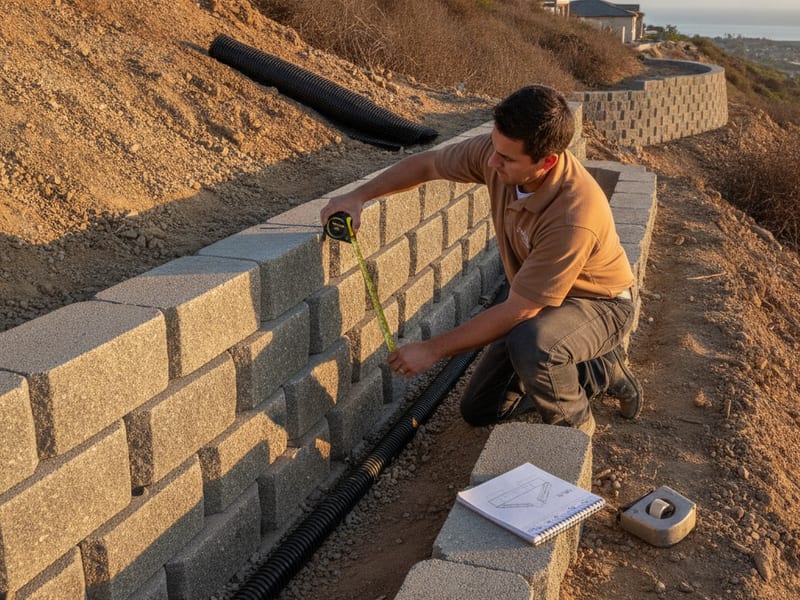
Gather wall dimensions for a permit discussion
Permit measurements and other triggers depend on the authority serving the property. Share available plans and visible dimensions with the building department or a qualified professional.
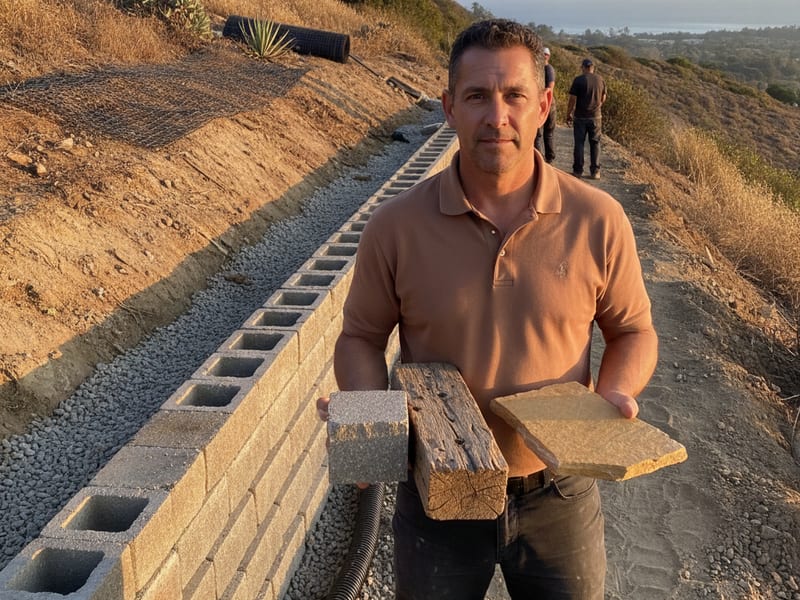
Describe your retaining wall material
A description and photographs can help a contractor prepare for a discussion. A professional can assess visible conditions; concealed details may need further investigation.